
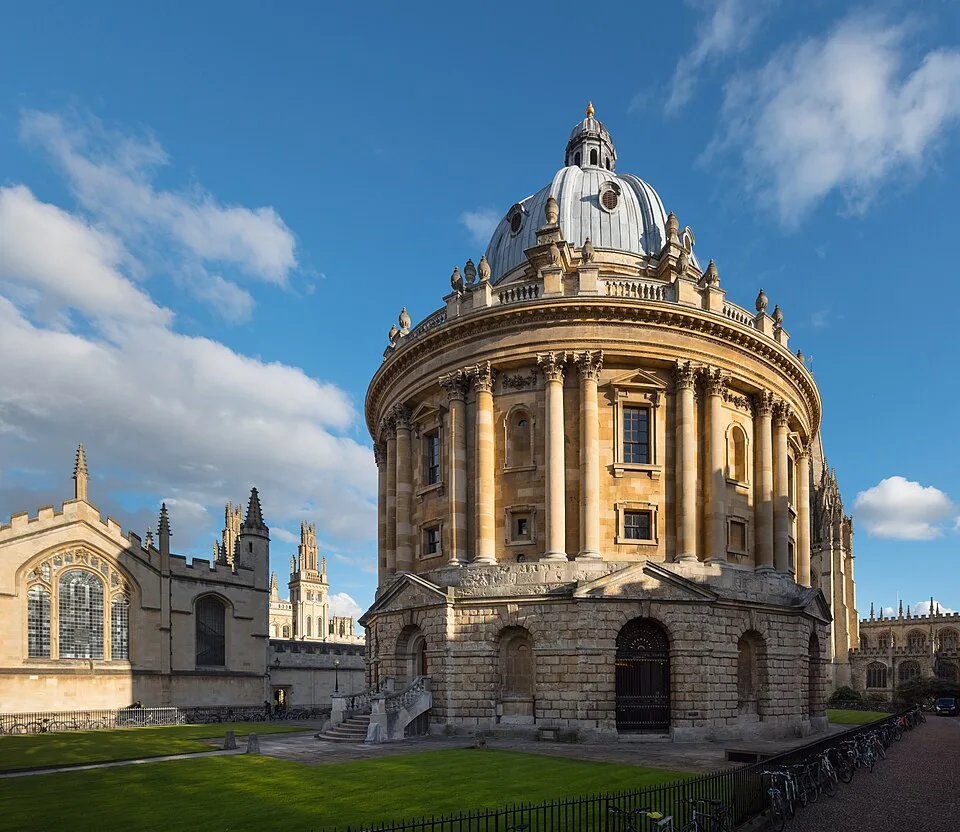
Oxford / United Kingdom
In Oxford, the architecture of learning is everywhere. Beneath the iron and glass of its natural history museum, a surviving fragment of a dodo connects the city to a lost species.
- Institution
- University
- History
- Teaching by 1096
- In this atlas
- Featured profile with sourced chapters
CHAPTER 01
A university before its charter
The university traces teaching in Oxford to 1096. Scholars gathered and taught here for generations before the masters gained recognition as a corporation in 1231.
Oxford dates the evidence for teaching, without assigning a single year to the university’s foundation.
CHAPTER 02
Under the museum roof
The Museum of Natural History keeps the only surviving soft tissue from a dodo. It also preserves material from Megalosaurus, the first dinosaur to receive a scientific description.
The neo-Gothic museum brings these objects into the same teaching and research collection. Its own history offers a second line of inquiry into the buildings that made natural science visible to the public.
CHAPTER 03
Earth Sciences (Geology)
Oxford’s undergraduate earth sciences course has two degree routes, a BA in Geology and an integrated MEarthSci. Its curriculum brings field and laboratory work together with physics, chemistry and biology.
CHAPTER 04
Planning your studies
Use the institution’s application guide to find the requirements for your intended course and year of entry. Check the fee schedule for your applicant category when comparing costs.
Related subjects
Editorial connections to official academic resources, not a complete program inventory.
Academic connections
Open the relationship graph →Sources & credits
Follow the original institution or registry for the latest information.
- Our history (opens a new tab)University of Oxford · checked 2026-11-26
- Oxford University Museum of Natural History (opens a new tab)University of Oxford · checked 2026-11-26
- Earth Sciences (Geology) (opens a new tab)University of Oxford · checked 2026-11-26
- Official study and application guidance (opens a new tab)University of Oxford · checked 2026-11-26
- University of Oxford in the Research Organization Registry (opens a new tab)Research Organization Registry · checked 2026-11-26
Related universities
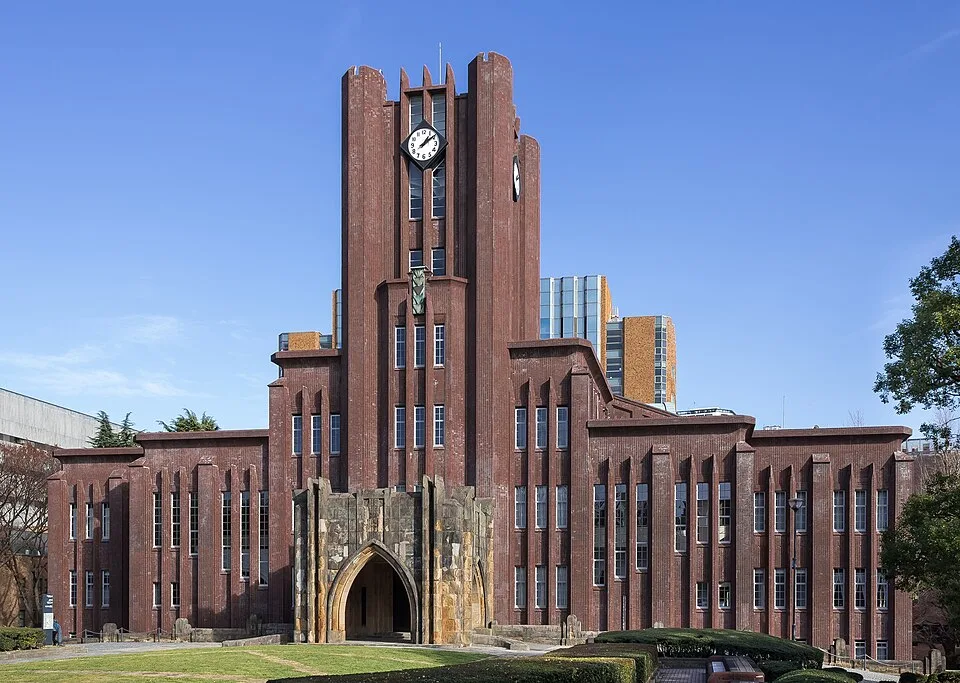 Japan
The University of Tokyo
A storage room for research material became a museum. Tokyo’s university collections carry a record of what generations of scholars brought back from the field.
 United States
University of California, Berkeley
Sather Tower is both an instrument and a storehouse. Bells ring out over Berkeley while fossils sit in the comparatively stable temperatures on the floors below.
 Switzerland
ETH Zurich
In Zurich, a school once organised around workshops and drafting rooms now also displays mountains in miniature. Its relief models turn the Alpine landscape into something a visitor can study indoors.